Tibet Lama Sifu Parry Fung密宗喇嘛派 馮拍濤師傅
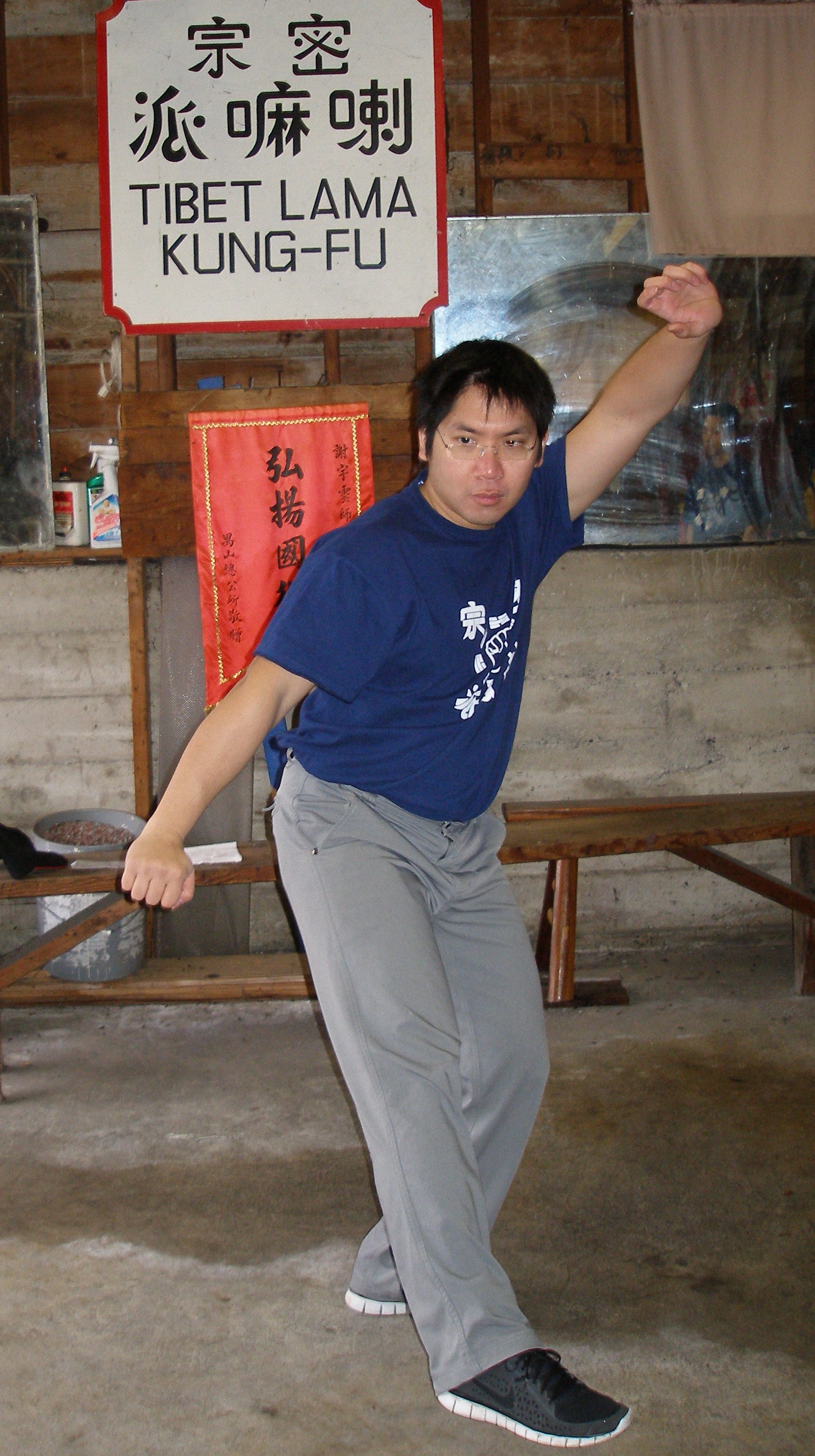
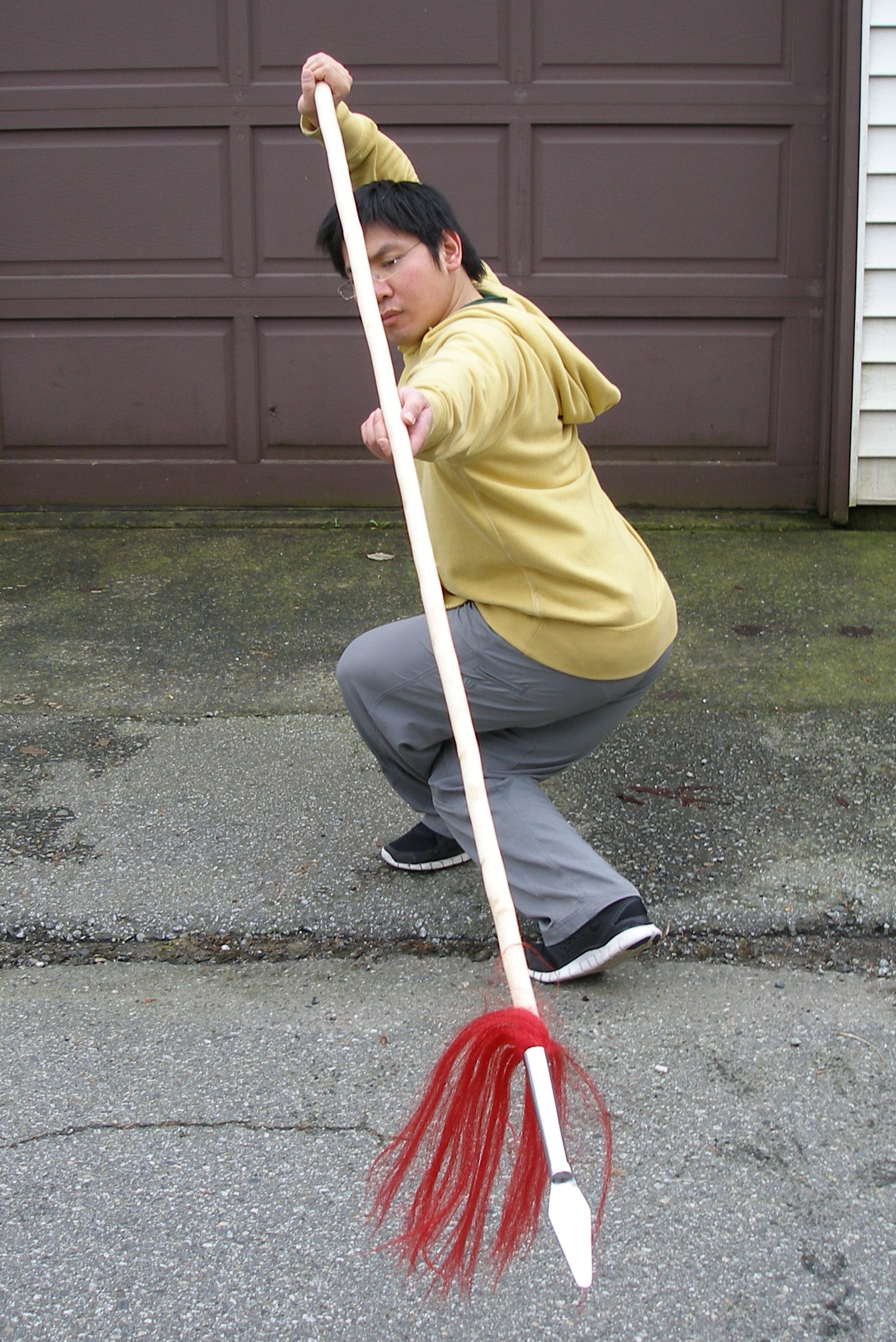
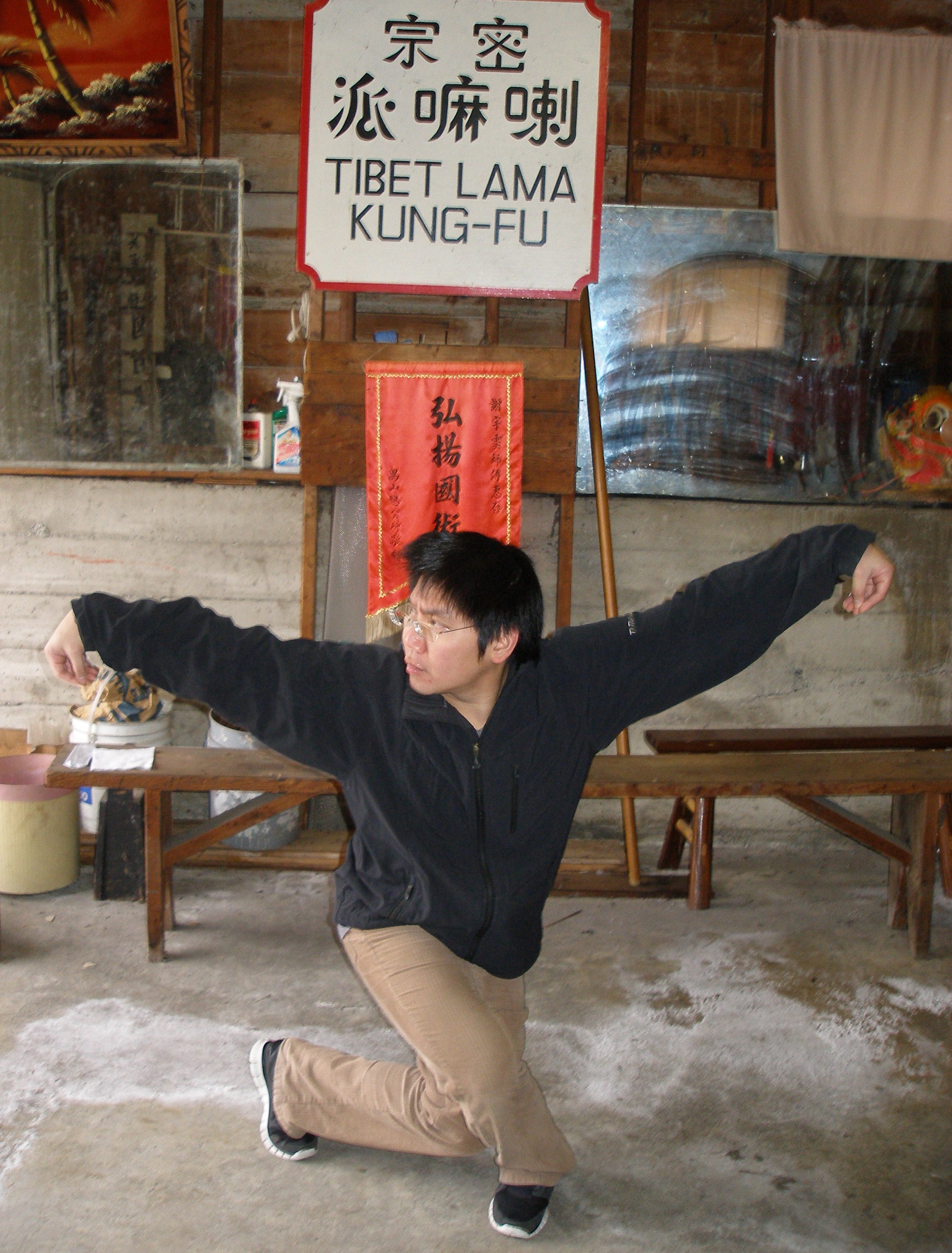
馮拍濤師傅師承喇嘛派名師謝宇雲(溫哥華)及羅威強(香港),習得其外八門,內八門絕藝。秉承祖師「香爐峰下鍊千鎚」之傳統,日練千拳。八拳八步已熟能生巧,對其中拳技中幾何線路的變化猶有心得。
馮師傅亦從謝宇雲師習得吳家太極拳、劍、刀、槍、內功,再從董式楊家太極高手施雄鵬(香港)悟得推手要訣,閒時喜與各方高朋印證當中奧妙。
他在香港長大,至加拿大完成學業,擁有物理工程學士及生物工程碩士學位。現為跨國軟件公司資深開發員,站在科技發展領域的尖端。其物理學認知能由淺入深,從科學角度了解武學之原理。志願是將武術作為一門學問作正統學術研究,相互砥礪,百尺竿頭。
馮師傅深信學無止境,三人行必有我師之道理。每逢有機會必請教各派名師,不恥下問,曾涉獵中外武術如北少林、泰拳、巴西柔術、東洋忍術。
Sifu Parry Fung is a disciple of Master Tony Jay (Vancouver) and Master Lo Wai Keung (Hong Kong), studying Tibet Lama style for more than a decade. He devoted his whole life to both the external and internal aspect of the art. He specializes in lama 8-punch 8-step combo, which is a systematic and mathematical self-defense approach.
He also learnt Ng Style Taichi from afore mentioned Master Tony Jay. He enhanced his pushhand technique by studying from Yang Style Taichi Master Sze Hung Pang (Hong Kong).
He grew up in Hong Kong, completed his engneering physics bachelor and biomedical engineering master degree in Canada. His day job is to develop cutting edge technology as a senior engineer in a software giant. With his degree in physics, he is able to explain martial arts principles in terms of simple Newton's Law. He dedicates to make martial arts a formal discipline at university for scentific research and development.
All in all, Parry believes in a Kungfu lifestyle, not just practice. He is always a student at heart and has been exploring other martial arts like Northern Shaolin, Muai Thai, Brazilian Jujitsu, Ninjutsu, etc.
馮師傅逢星期六晚上七至九時在溫哥華教授喇嘛派功夫
Sifu Parry is currently teaching Tibetan Lama Kungfu in Vancouver every Saturday 7-9pm
1050 Kingsway, Vancouver, BC, Canada
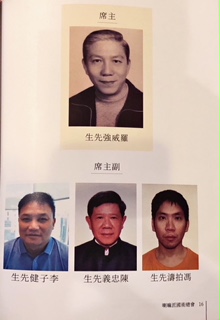
西藏密宗喇嘛派羅威強師父專訪
Interview with Master Lo Wai Keung of Tibet Lama Kungfu
喇嘛派梅花樁
Plum Blossom Poles
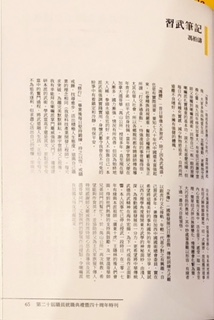
My Journey in Martial Arts習武筆記
Written for 40th Anniversary of Tibetan Lama Martial Arts Club為喇嘛派國術總會成立四十週年撰稿
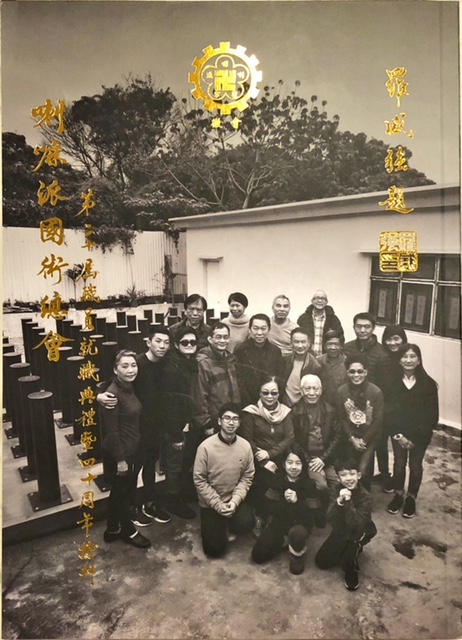
『強身』 -我成長於香港八十年代,當時經濟起飛,大家多崇尚物質生活,忽略運動,更難抽空洗滌心靈。我九四年移民加拿大,有幸從已故謝宇雲師父接觸到喇嘛派國術。回想自己一板一眼的習練喇嘛派扎實穩重的基本功,談不上有甚麼成績,但每日內心有種充實感,減少對物慾追求,自然而然遠離不良嗜好,亦擁有強健的體魄。
『護體』 -昔日華僑大多習武,除了因為武風盛,也是有實際須要。要知七八十年代中國還未富強起來,社會種族歧視嚴重,餐館企檯應付霸王食客正所謂「打交多過食飯」。恃強凌弱的事普遍得很,尢其在華人社會,所以各鄉親所都有聘請師傅指導年青子弟一招半式防身技倆。當年謝宇雲師父便在加拿大溫哥華「禺山公所」授徒多年。直至現在華人漸多,國力漸強,情況有所改善。但因為始終地大人稀,拳頭永遠在近的好,求人不如靠自己。本派武術強調實踐實用,身懷武藝令我曾在不可免的紛爭中有着鎮定和冷靜,得保平安。
『修行』 -畢業後每日堅持鍛練,持之以恆,戒驕戒躁,找尋進步,活出積極人生態度。這與自己職業的理念相同(我是科技產業開發工程師)。每天求突破,為趨完美默默耕耘。謝宇雲師父亡故後,我有幸能拜在喇嘛派掌門羅威強師父門下,繼續鑽研本派的武術。學武當高手還是其次,重點是享受當中的𡚒鬥過程,將武道溶入生活。正如人生努力不為追名逐利,但求盡心活出自己的璨爛。喇嘛派功夫強調從外至內,從強身至修心,有系統地將所有招式歸納。踏實地一招一式練習,放低塵世瑣事,內心放鬆而又集中,活在當下,感受一陰一陽含至理,簡單招式拼出無窮變化,慢慢體會化繁為簡,大巧若拙的奧祕。其中妙處筆墨難以形容,有緣者下過一番功夫自能領悟。
『承傳』 -國術發展已日漸息微,傳統訓練方式難以跟流行文化接軌,年輕一代甚少對之有興趣。自己習武多年,兼擔任加西中國國術總會委員,實在希望將這種美好的事和國外的年青大眾分享,嘗試以西方理學角度揭開東方武學的神秘面紗,由淺入深,為推動國術發展出一分力。更希望將中華傳統武德尚武精神在海外宏揚,為下一代成長作正面影響。本人因事忙已停止授武一段時日,在二零一七年有緣與本派祖師「廣東十虎」王隱林的後人們會面,得到他們熱情的支持與鼓勵,及一眾溫哥華師兄弟同門的幫忙下,於「禺山公所」再次執教,希望能夠作育英才,並協助師父為王氏家族留下傳人。特別感謝師父羅威強投放時間心思去指導我及其他溫哥華同門,又對我們的發展作出提點,令喇嘛派在加國又再度活躍起來。
For Health - I grew up in Hong Kong in the 80s, when economy growth was the primary focus. Everyone worked hard to make money for better material life, neglecting both physical and mental health. I immigrated to Canada in 94, and was fortunate enough to study Tibet Lama Martial Arts under Master Tony Jay Yu Won. Basic drills in Tibetan Lama Martial Arts was rather repetitive but addictive. Everyday the sense of fulfillment at heart naturally keeps me healthy and away from bad habits, reducing the pursuit of materialism.
For Self Defence - Kungfu was popular in overseas Chinese community. It was a hobby as well as a necessity. Before the 90s, China was not modernized and industrialized. Chinese were generally less wealthy and educated. Racial discrimination was a norm. Waiters at Chinese restaurant were partially hired for their physical strength to make sure all customers paid their bills. Chinese society organizations usually engaged Kungfu masters to pass on self defense skill to their youth; Master Tony Jay Yu Won was teaching at “Yue Shan Society” for example. The situation has improved as our community became safer. However, the need for self protection has never ceased. In our style, self defense application is the main syllabus for beginners. I have personally encountered conflicts that my martial arts training was put into good use inevitability.
For Self awareness - After Master Tony Jay Yu Won passed away, I am grateful to become a disciple of Master Lo Wai Keung, the head of Tibetan Lama Martial Arts. I deepened my understanding of martial arts, shifting my focus from technique to core concept, from external to internal, from many to few. I train, therefore I am. Training martial arts, just like breathing, became part of my life, my daily routine. On a very occasional day when training is not feasible, I feel like part of myself is disintegrated. I enjoy making minor progress everyday, while eagerly anticipating the next breakthrough. The same process drives me towards perfection in both martial arts and my career in engineering research and development - making small and consistent effort, then waiting for the next critical mass to form. Repeating that process enables my mind to reach the state of self enjoyment, let go of stress and pressure, enter a state of mind that is clear, alerted but relaxed. Understanding harmony via the balance of Yin and Yang is a rewarding experience that is indescribable with words.
For Inheritance - The development of martial arts has declined substantially in recent years. Traditional Kungfu training is no longer appealing to young people; this is especially true in the Chinese community. I have been a martial arts practitioner for many years and served as a executive member of the Western Canada Chinese Martial Arts Association. I feel obligated to promote the values in traditional Kungfu. Aside from its sophisticated technique, Kungfu training also emphasizes on morality embedded deeply in its ancient warrior’s code. Core values like “Be kind to yourself and your enemy” and “Always try your best” are still highly relevant in youth development. I really hope that Kungfu can make positive impact to our next generation. Lately no Lama martial arts class was running in Vancouver until in 2017, when I had the chance to meet with descendants of the founder of our style Wang Yan Lam, a member of the infamous Ten Tigers of Canton. With their enthusiastic support and encouragement, along with the help of brothers and sisters in the Vancouver Tibetan Lama Martial Arts Club, I started teaching again at Vancouver’s “Yue Shan Society”. Special thanks to Master Lo Wai Keung for devoting his time and expertise to guide us in rebuilding our club in Canada.
More Article from Sifu Fung -
更多馮師傅撰文 -
歡迎電郵查詢 info@wccmaa.com
Please email Parry for more info info@wccmaa.com